
What is a Submission Drawing? A Complete Guide for Beginners
Introduction
Submission Drawings In architecture and civil engineering projects, several types of drawings are prepared during the design and construction process. The most important of these is the submission drawing.
This submission drawing is the first official drawing submitted to local authorities or municipal corporations for approval before construction begins. Without approval of these drawings, construction cannot legally begin in most cities.
In this article, we will explain in detail what submission drawings are, why they are important, what they include, and how they are prepared.
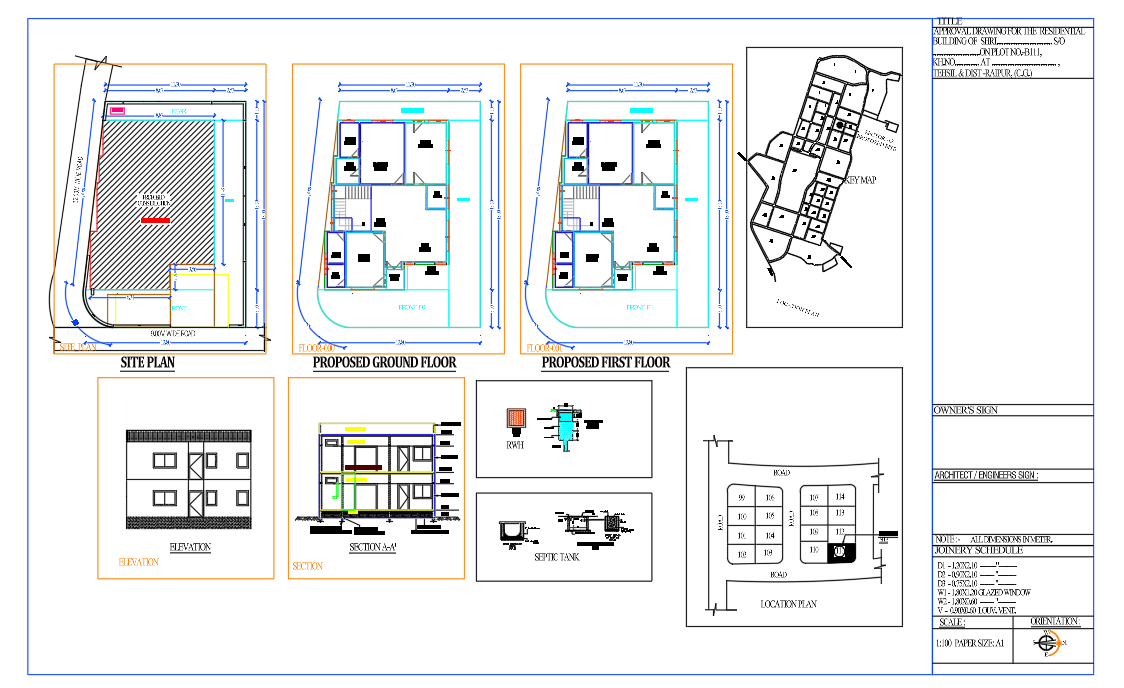
What are submission drawings?
A submission drawing is a set of architectural drawings prepared in accordance with municipal regulations and building bylaws. This building plan is submitted to the local authority for approval.
These drawings show important information about the proposed building, such as:
- Plot size
- Building layout
- Setbacks
- Floor plan
- Building height
- Parking area
- Drainage and water supply information
Authorities review these drawings to ensure that the building follows zoning regulations, safety rules, and construction guidelines.
Only after this approval can the project proceed to the next stage.
Purpose of Submission Drawings
Submission drawings are required for the following purposes:
1. Obtaining Building Plan Approval
Local authorities review these drawings to verify whether the building complies with municipal regulations.
2. Ensuring Legal Construction
Without approved drawings, a building may be deemed an unauthorized structure.
3. Verifying Safety and Planning Standards
In this process, authorities inspect the following aspects:
- Fire safety
- Structural integrity
- Road access
- Ventilation
- Building height restrictions
4. Maintaining Proper Urban Planning
Submission drawings assist municipalities in ensuring the systematic development of the city.
Who prepares submission drawings?
Submission drawings are prepared by:
- Architects
- Civil Engineers
- Licensed Draftsmen
- Architectural Planners
These professionals ensure that the drawings comply with local building bye-laws and development regulations.
Components of a Submission Drawing
A submission drawing typically comprises several key drawings and details.
1. Location Plan
A location plan illustrates the specific placement of the plot within the city or locality.
It includes:
Surrounding roads
- Landmarks
- Plot number
- North direction
Purpose: It assists authorities in easily identifying the location of the property.
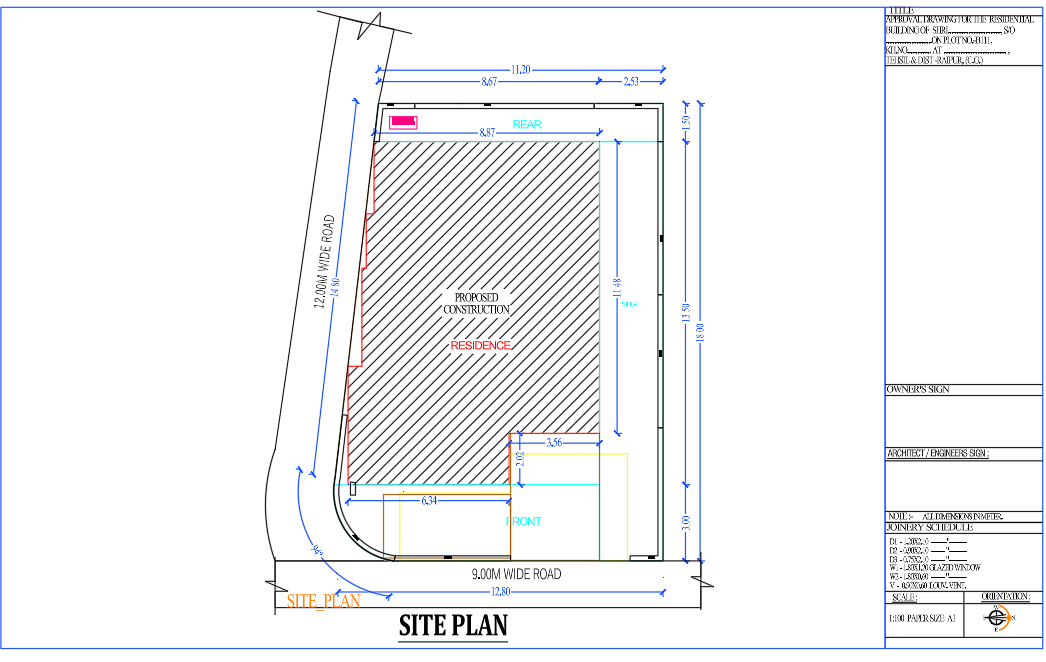
2. Site Plan
The site plan depicts the layout of the building within the plot boundaries.
It includes:
- Plot boundaries
- Setbacks (open spaces)
- Building position
- Parking area
- Garden or open spaces
- Entry and exit points
- Location of drainage and septic tanks
3. Floor Plan
A floor plan illustrates the arrangement of rooms inside the building.
It includes:
- Room layout
- Measurements (dimensions)
- Wall thickness
- Door and window positions
- Staircase location
- Location of restrooms and kitchen
Separate floor plans are provided for each floor.
4. Elevation Drawing
Elevation drawings depict the exterior view of the building.
They display:
- Front design
- Building height
- Window and balcony positions
- Architectural features
5. Section Drawing
Section drawings present a cut-away view of the building.
They include:
- Floor heights
- Staircase section
- Foundation level
- Plinth level
- Roof level
6. Area Statement
An Area Statement is a tabular summary that presents the following calculations:
- Plot area
- Ground coverage
- Built-up area
- Floor Area Ratio (FAR)
- Total built-up area
This helps authorities verify whether the building complies with the permissible construction limits.
7. Parking Layout
Details regarding parking spaces must be illustrated in accordance with municipal regulations.
This includes:
- Car parking
- Two-wheeler parking
- Driveway width
- Turning radius

Documents Required with Submission Drawings
Typically, the following documents are submitted along with these drawings:
- Documents of Plot Ownership
- Land Registration Papers
- Proof of Owner’s Identity
- Architect’s License Certificate
- Structural Stability Certificate
- Application Form for Building Approval
Steps for Preparing Submission Drawings
Step 1: Site Survey
In this step, an engineer or architect visits the site to gather the following information:
- Plot dimensions
- Road width
- Surrounding buildings
Step 2: Design Planning
Here, the building’s layout is prepared based on:
- Client requirements
- Local building codes
Step 3: Drawing Creation
Software tools such as the following are used to create these drawings:
- AutoCAD
- Revit
- SketchUp
Step 4: Bye-law Verification
In this stage, the design is checked against municipal regulations, such as:
- Setback requirements
- FAR limits
- Building height restrictions
Step 5: Submission to Authority
The final drawings are submitted to the municipal corporation for approval.
Importance of Submission Drawings in Construction
Submission drawings play a crucial role in construction projects.
1. Legal Authorization
Construction work cannot commence without approved drawings.
2. Prevention of Future Disputes
Approved drawings ensure that the building complies with legal planning regulations.
3. Ensuring Safe Construction
Authorities verify safety standards prior to granting approval.
4. Assistance with Loan Approval
Banks often require approved building plans for home loans.
Tips for Preparing Accurate Submission Drawings
Here are some precise tips from professionals:
✔ Carefully adhere to local building by-laws.
✔ Maintain accurate measurements.
✔ Clearly indicate setbacks and plot boundaries.
✔ Include the North direction in all drawings.
✔ Provide accurate area calculations.
✔ Use clear text and labeling.
Common Mistakes to Avoid in Submission Drawings
We should avoid the following common mistakes:
- Incorrect setback calculations
- Absence of area details
- Incorrect scale in the drawing
- Omission of the North direction
- Incomplete parking details
These mistakes can cause plan rejection by authorities.
Conclusion
Submission drawings are an essential component of any building project. hey provide the official blueprint submitted to local authorities for approval before construction begins.
A well-prepared set of submission drawings ensures that the building complies with municipal regulations, safety standards, and proper planning guidelines.
For architects, civil engineers, and designers, understanding submission drawings is a fundamental skill within the construction and design industry.
A submission drawing is a set of architectural drawings submitted to the municipal authority to obtain approval before starting building construction.
Submission drawings are prepared by licensed architects, civil engineers, or professional draftsmen.
They ensure that the building design follows municipal regulations, safety standards, and legal construction guidelines.
Submission drawings usually include a location plan, site plan, floor plans, elevations, sections, and area statements.
No, construction should not start without approval of submission drawings from local authorities.