
Essential Notes to Include in Submission Drawings (A Complete Guide)
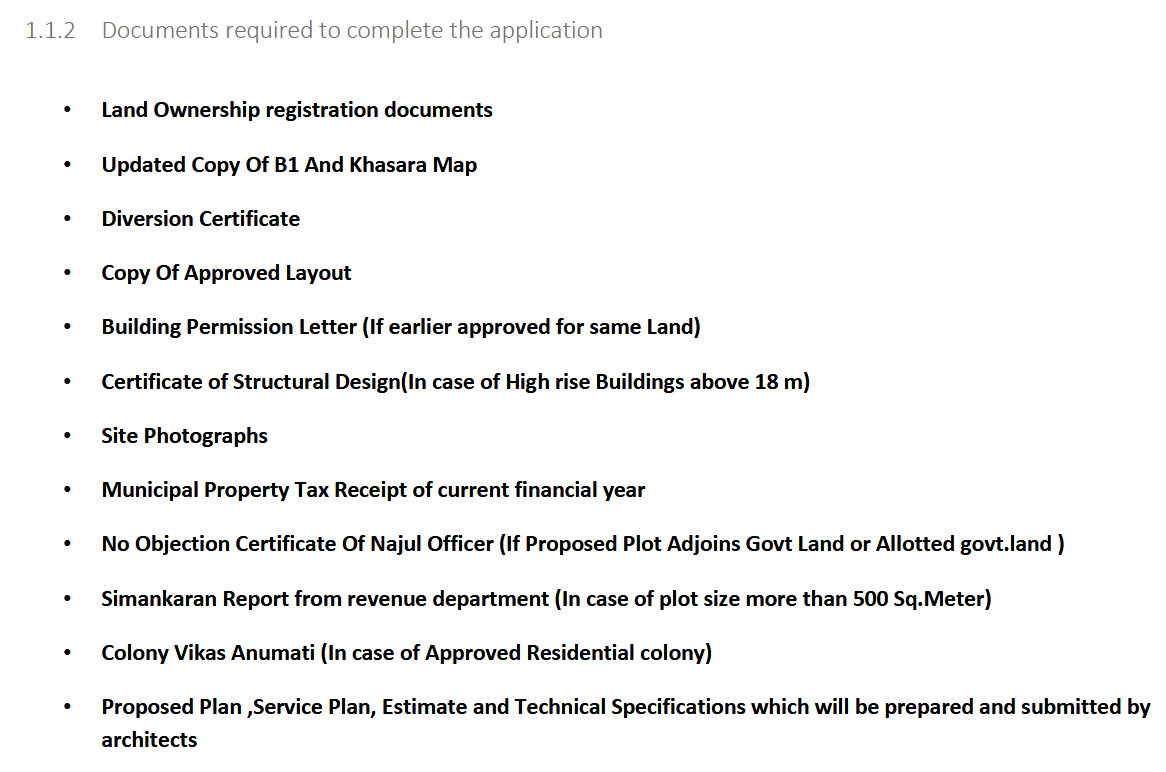
Introduction
Our submission drawings comprise not merely plans, elevations, and sections; they must also feature clear and precise notes to facilitate easy approval from local authorities. The absence of notes—or their inaccuracy—can lead to the rejection of drawings, project delays, or legal complications.
In this guide, we will outline all the Important Notes to Include in Submission Drawings that you must include in your building submission drawings.
1. General Instructions
These general instructions provide a brief overview of the project and basic information regarding compliance.
Key points to be included:
- All dimensions are provided in millimeters (mm).
- Do not scale the drawings; adhere strictly to the written dimensions.
- Work shall be executed solely in accordance with the approved drawings.
- Any discrepancies must be reported prior to the commencement of work.
- All materials and workmanship shall conform to the relevant Standard Codes.
2. Building Details Note
This defines the type and scope of the project.
Include:
- Building Type (Residential / Commercial / Mixed-use)
- Number of Floors (e.g., G+1, G+2)
- Plot Area and Built-up Area
- Occupancy Type
- Building Usage (Private Residence, Rental, Office, etc.)
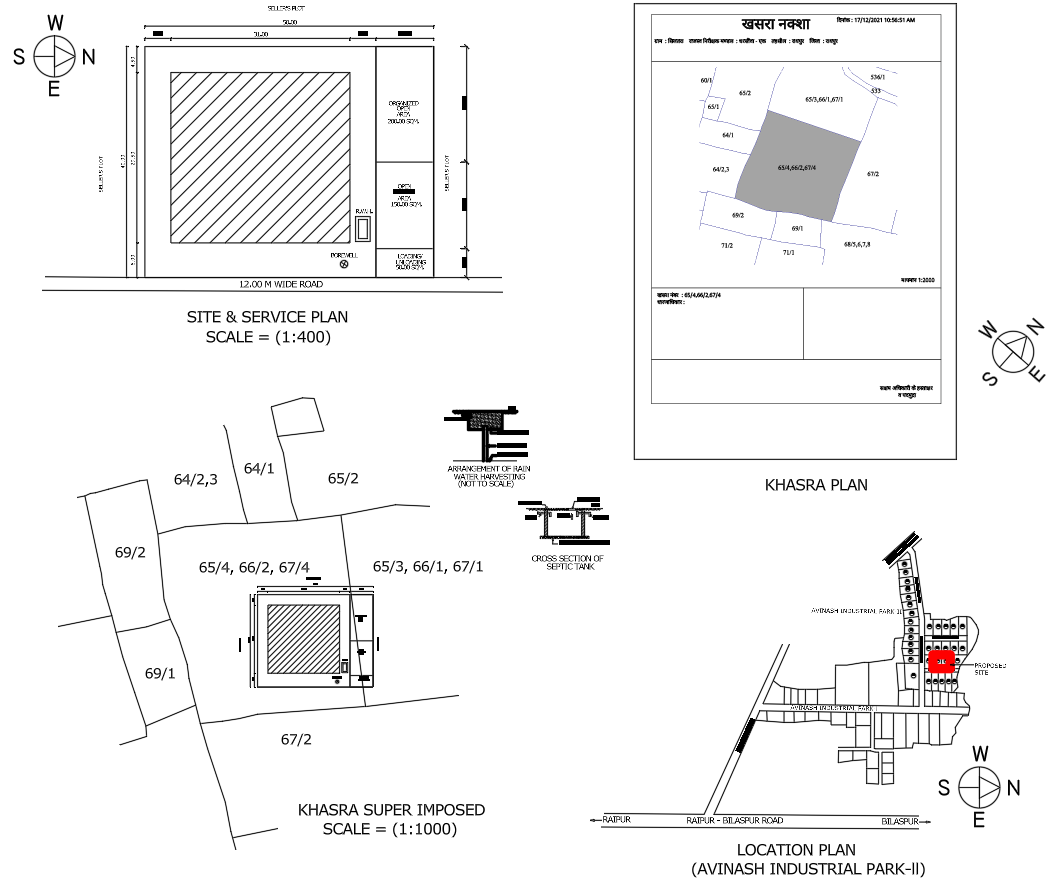
3. Notes Regarding Plot Details
This is crucial for compliance with legal and zoning regulations.
Required Details:
- Plot Number and Survey Number
- Plot Area (in square meters)
- Location and Address
- Width of the road fronting the plot
- North Direction (must be clearly marked)
4. Setback and Margin Notes
Authorities strictly check setbacks.
Include:
- Front, rear, and side setbacks
- Minimum required vs. provided setbacks
- Open space details around the building
5. FSI / FAR Calculation Note
This is one of the most critical approval parameters.
Include:
- Permissible FSI/FAR
- Consumed FSI/FAR
- Total built-up area
- Ground coverage percentage
6. Structural Notes
Ensures safety and compliance with structural standards.
Include:
- Structure designed as per relevant IS codes
- Soil bearing capacity considered
- Foundation type (isolated footing, raft, etc.)
- Structural design by licensed engineer
7. Material Specification Notes
Defines quality standards.
Include:
- Grade of concrete (e.g., M20, M25)
- Steel grade (Fe500, Fe550)
- Brick/block type
- Plaster thickness and finish
8. Level and Height Notes
Important for elevation control.
Include:
- Plinth level
- Floor-to-floor height
- Total building height
- Road level reference
9. Drainage and Sanitation Notes
Required for municipal approval.
Include:
- Proper drainage connection to sewer line
- Septic tank details (if applicable)
- Rainwater disposal system
- Wastewater management
10. Water Supply Notes
Ensures proper utility planning.
Include:
- Source of water supply (municipal/borewell)
- Overhead tank capacity
- Underground tank details
11. Electrical Notes
Basic electrical compliance.
Include:
- Electrical layout as per standards
- Earthing provision
- Meter location
12. Fire Safety Notes
Mandatory for many building types.
Include:
- Fire exit details
- Staircase width
- Fire extinguisher provision
- Compliance with fire safety norms
13. Parking Notes
Essential for urban approvals.
Include:
- Number of parking spaces
- Type (open/stilt/basement)
- Vehicle turning radius
14. Accessibility Notes
Important for inclusive design.
Include:
- Ramp slope and width
- Barrier-free access
- Lift provision (if required)
15. Environmental Notes
Increasingly important in approvals.
Include:
- Rainwater harvesting system
- Solar panel provision (if any)
- Green area percentage
16. Declaration Notes
Legal confirmation by professionals.
Include:
- Owner’s declaration
- Architect’s certification
- Structural engineer’s approval
- Compliance with local bye-laws
17. Drawing-Specific Notes
Each drawing should have specific notes:
Plan Notes:
- Room names and sizes
- Wall thickness
- Door/window sizes
Section Notes:
- Foundation details
- Floor levels
- Structural elements
Elevation Notes:
- External finishes
- Height markings
- Architectural features
18. Standard Compliance Notes
Mention adherence to codes.
Include:
- National Building Code (NBC)
- Local municipal bye-laws
- IS codes
19. Revision Notes
Track changes in drawings.
Include:
- Revision number
- Date of revision
- Description of changes
20. Signature and Stamp Notes
Final approval requirement.
Include:
- Architect’s signature and license number
- Engineer’s stamp
- Owner’s signature
Common Mistakes to Avoid
- Missing north direction
- Incorrect setback details
- No FSI calculation
- Incomplete structural notes
- No signatures or stamps
Conclusion
Including accurate notes in submission drawings is just as crucial as the drawings themselves. These notes ensure the following:
- Expedited approval
- Compliance with legal regulations
- Clear communication on-site
A well-documented set of submission drawings demonstrates a professional approach and technical precision—qualities that are essential for every architect and civil engineer.
Submission drawing notes are written instructions and details included in drawings to explain design, materials, and compliance requirements for building approval.
Notes help ensure:
- Clear communication with authorities
- Faster approval process
- Compliance with building bye-laws
- Reduced errors during construction
Submission notes are usually prepared by:
- Architects
- Civil Engineers
- Licensed Design Professionals
Notes should be:
- Clear and concise
- Properly aligned
- Placed in a dedicated notes section
- Written using standard text styles
Use:
- Bullet points or numbered lists
- Capital letters for headings
- Consistent font size and spacing