
Building Plan Submission Process – Step-by-Step Guide for Plan Approval
Introduction
Whenever one intends to construct a building, it is mandatory to obtain official approval from the local municipal corporation. The Building Plan Submission Process ensures that the proposed structure complies with building codes, safety regulations, zoning laws, and environmental guidelines.
In this guide, we will provide you with a detailed, step-by-step breakdown of the entire building plan submission process, including the necessary drawings, documents, and approval procedures.
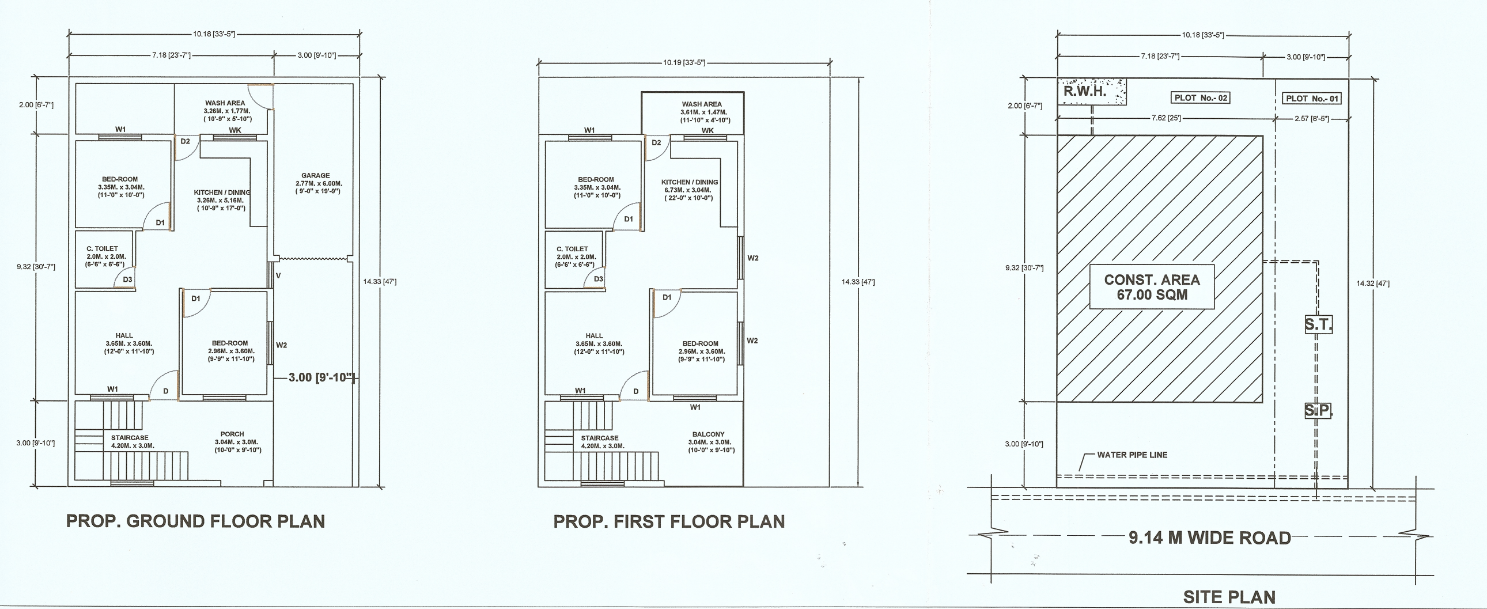
What is Building Plan Submission?
Building plan submission is a process in which the architectural and structural drawings of a proposed building are submitted to the local authority (Municipal Corporation / Development Authority / Panchayat) for approval prior to the commencement of construction.
The authority reviews these drawings to ensure that the design complies with the following regulations:
- Local Building Bye-laws
- Zoning Regulations
- Fire Safety Regulations
- Structural Safety Guidelines
Why is Building Plan Approval Necessary?
The approval of building plans is essential for several reasons:
1. Legal Construction
Without such approval, any construction is deemed illegal.
2. Compliance with Building Bye-laws
It ensures adherence to regulations regarding setbacks, height restrictions, FAR (Floor Area Ratio), and coverage limits.
3. Safety Assurance
The structural design must comply with established safety standards.
4. Utility Connections
An approved plan is a prerequisite for obtaining water, electricity, and sewage connections.
5. Protection Against Penalties
Unauthorized buildings may face demolition or be subject to heavy fines.
Step-by-Step Process for Submitting a Building Plan Submission Process
Step 1: Site Verification and Land Records Check
Before creating the drawings, verify the following details:
- Ownership documents
- Land use category
- Plot dimensions
- Road width
- Zoning regulations
- Key documents include:
- Sale Deed
- Property Tax Receipt
- Land Title Documents
Step 2: Appointment of an Architect or Engineer
Next, a licensed architect or civil engineer prepares the building drawings in accordance with local bylaws.
The professional will perform the following tasks:
- Study the plot details
- Review building regulations
- Design the building layout
- Prepare the drawings for submission
Step 3: Preparation of Building Submission Drawings
The architect prepares a complete set of submission drawings required for approval.
Essential Standard Drawings:
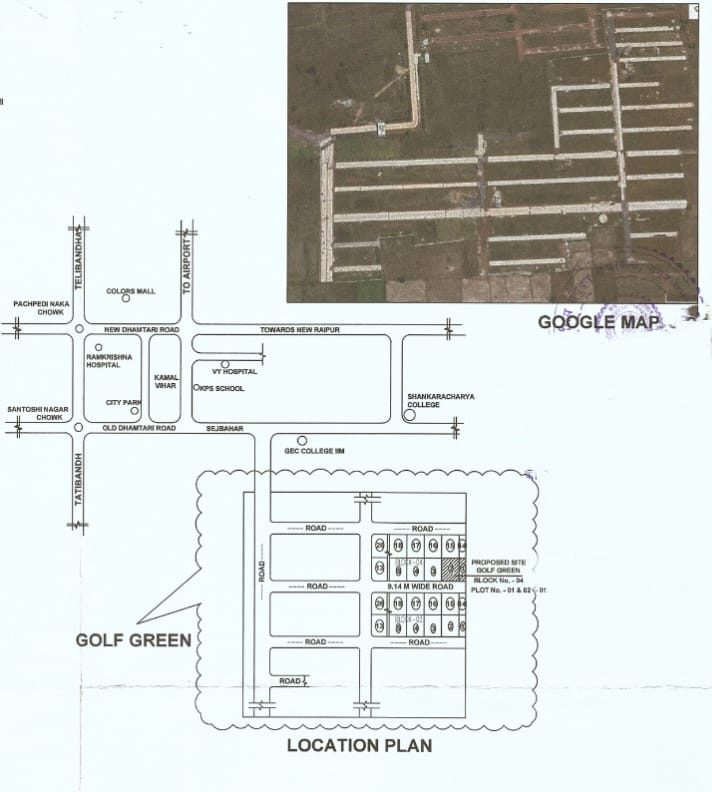
1. Site Plan
This illustrates:
- Plot boundaries
- Road frontage
- North direction
- Neighboring properties
- Setbacks (receding spaces)
2. Building Floor Plans
These include:
- Room layouts
- Dimensions
- Placement of doors and windows
- Staircase details
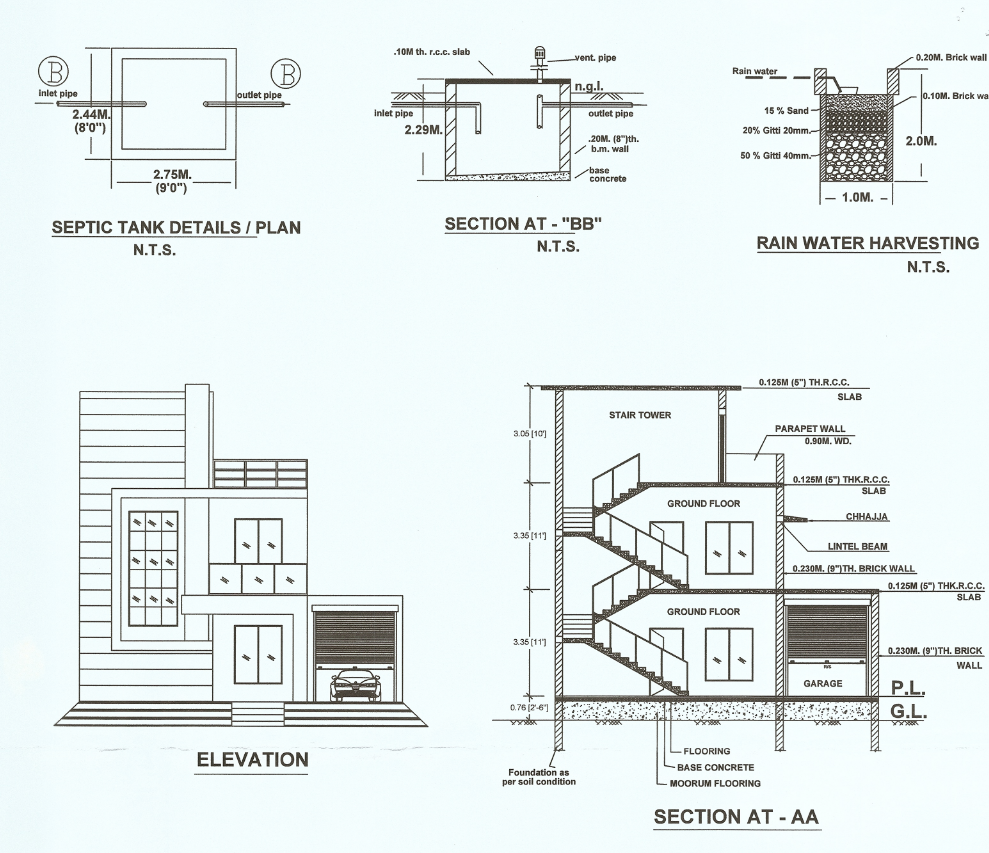
3. Elevation Drawings
Front and side views, illustrating:
- Building height
- Architectural design
- Exterior appearance
4. Section Drawings
Vertical cuts, illustrating:
- Floor levels
- Foundation depth
- Staircase sections
- Roof structure
5. Parking Layout
This depicts the parking arrangement within the plot.
6. Area Statement
This includes:
- Plot area
- Built-up area
- Ground coverage
- FAR calculation
Step 4: Structural Safety Drawings
Structural drawings may include:
- Foundation layout
- Column layout
- Beam layout
- Slab details
These ensure that the building is structurally safe and earthquake-resistant.
Step 5: Preparation of Required Documents
Along with the drawings, several documents must also be submitted.
- Common Required Documents
- Application form
- Proof of ownership
- Proof of identity
- Property tax receipt
- Land use certificate
- Architect’s license certificate
- Structural stability certificate
- Soil testing report (in certain regions)
- Affidavit or undertaking
Step 6: Online or Offline Plan Submission
Depending on the city, plans may be submitted in the following ways:
- Online Submission
- Many cities utilize online portals for approval purposes.
- For example, the following systems are used:
- Online Building Permission System (BPMS)
- Municipal Corporation approval portals
- Offline Submission
In some locations, drawings are submitted physically (in person) at the Municipal Corporation office.
Step 7: Scrutiny of the Building Plan
The authority reviews the submitted drawings and documents. They check for the following:
- Setback requirements
- FAR compliance
- Height restrictions
- Parking arrangements
- Fire safety norms
If any errors are detected, the plan may be returned for corrections. Step 8: Payment of Approval Fees
Following the initial verification, the applicant is required to pay the following necessary fees:
- Building Permit Fee
- Development Fee
- Scrutiny Fee
- Infrastructure Fee
The amount depends on the following factors:
- Plot Size
- Building Area
- Building Type
Step 9: Final Approval of the Building Plan
Upon successful verification and payment, the authority issues the following:
- Building Plan Approval Certificate
- This document legally authorizes the owner to commence construction.
The approved drawings will include the following details:
- Official Seal
- Approval Number
- Date of Approval
Step 10: Commencement of Construction Work
Once approval has been obtained:
- Construction work may commence.
- The work must be executed in strict accordance with the approved drawings.
- Any modifications require a revised approval.
Important Building Regulations to Follow
When preparing drawings, architects must adhere to the following regulations:
a. Setback Rules
The minimum distance between the building and the plot boundary.
b. FAR (Floor Area Ratio)
The maximum permissible built-up area on the plot.
c. Ground Coverage
The maximum area covered on the ground floor.
d. Building Height Limit
This depends on the road width and zoning regulations.
e. Parking Requirements
Mandatory parking spaces for residential and commercial buildings.
Common Mistakes During Plan Submission
Avoid these mistakes:
- Incorrect plot measurements
- Missing documents
- Wrong setback calculation
- Exceeding FAR limits
- Non-compliance with local bylaws
- These mistakes can delay approval.
Tips for Fast Building Plan Submission Process
✔ Hire a licensed architect
✔ Follow local building bylaws
✔ Submit complete drawings
✔ Double-check documents
✔ Use online approval systems if available
Conclusion
The Building Plan Submission Process is an essential step before starting any construction project. It ensures the building follows safety standards, zoning regulations, and legal requirements.
By preparing accurate submission drawings, documents, and calculations, architects and engineers can obtain faster approval and avoid legal issues.
Following the correct process will help ensure a safe, legal, and well-planned construction project.
Building plan submission is the process of submitting architectural and structural drawings of a proposed building to the local municipal authority for approval before starting construction.
Building plan approval ensures that the building design follows local building bylaws, zoning regulations, safety standards, and legal requirements.
Building submission drawings are usually prepared by a licensed architect, civil engineer, or authorized building designer registered with the local authority.
Common drawings required include:
- Site plan
- Floor plans
- Building elevations
- Section drawings
- Parking layout
- Area statement
These drawings help authorities understand the complete building design.
Typical documents include:
- Ownership proof or sale deed
- Property tax receipt
- Identity proof of the owner
- Architect license certificate
- Structural stability certificate
- Application form
Requirements may vary depending on the city.
The approval time usually ranges from 7 days to 30 days, depending on the city, authority workload, and accuracy of submitted drawings.