
Building Plan Approval Process in India: From Drawing Preparation to Final Permission
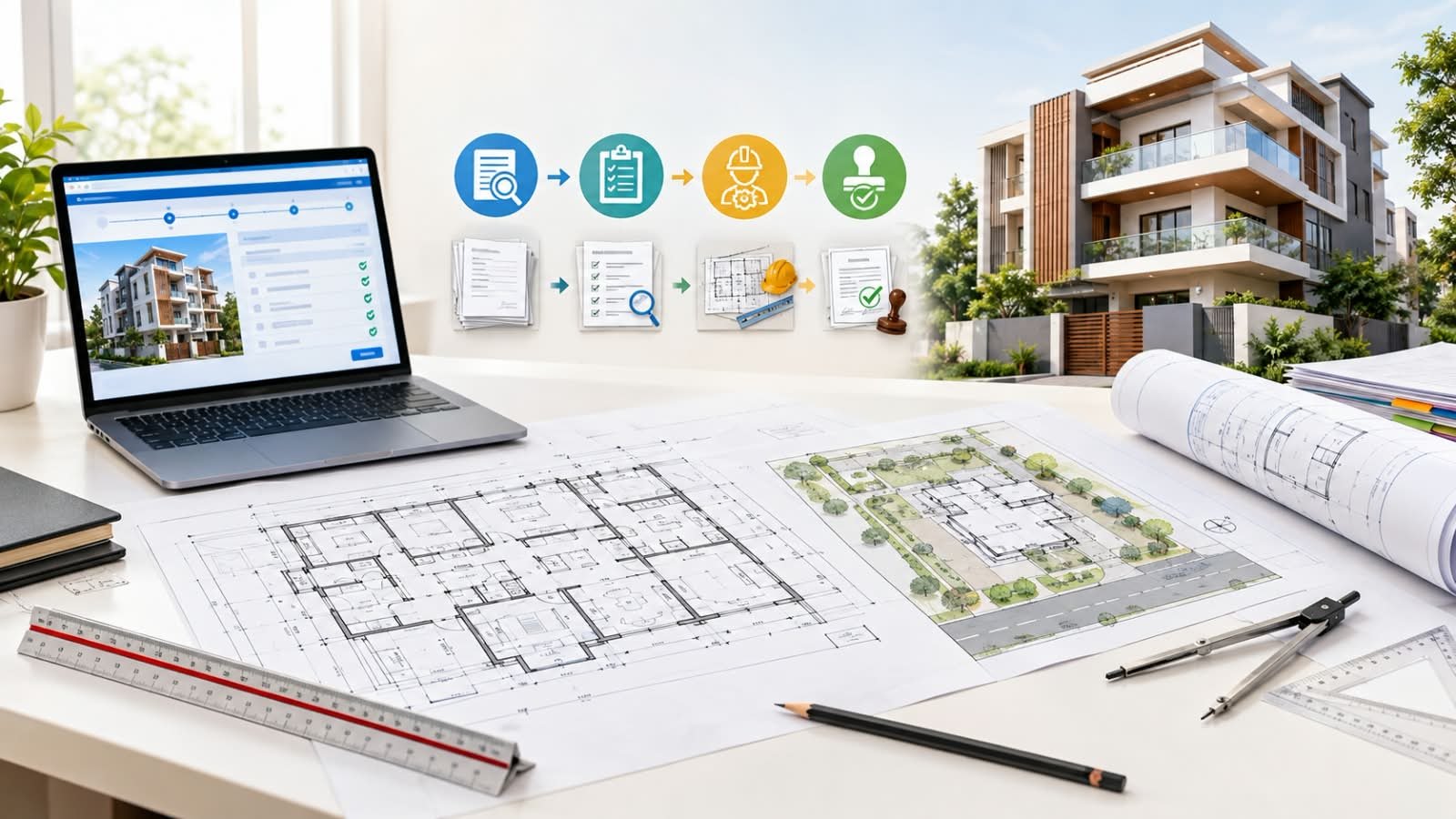
Planning a new building involves more than preparing a floor plan. Before construction begins, the proposed project may need to pass through a formal approval process handled by the concerned municipal corporation, development authority, panchayat, or other local body.
The exact procedure is not identical everywhere. Different authorities can have different application portals, drawing requirements, fees, professional registration rules, and approval conditions. Therefore, the process explained below should be treated as a practical general framework, while the rules of the authority responsible for your property should always be checked before submission.
What Does Building Plan Approval Mean?
Building plan approval is the formal review of a proposed construction project by the relevant local authority.
The purpose of this review is to determine whether the proposed development is consistent with applicable planning and building requirements.
Depending on the location and type of project, the review may consider:
- Plot and property information
- Permitted land use
- Building location on the plot
- Required open spaces
- Building height
- Floor area or FAR/FSI
- Parking provisions
- Access from the road
- Safety and service requirements
- Applicable local development regulations
Approval is therefore not simply a confirmation that the architectural design looks suitable. It is a compliance review of the proposed development.
Step 1: Confirm the Property Information
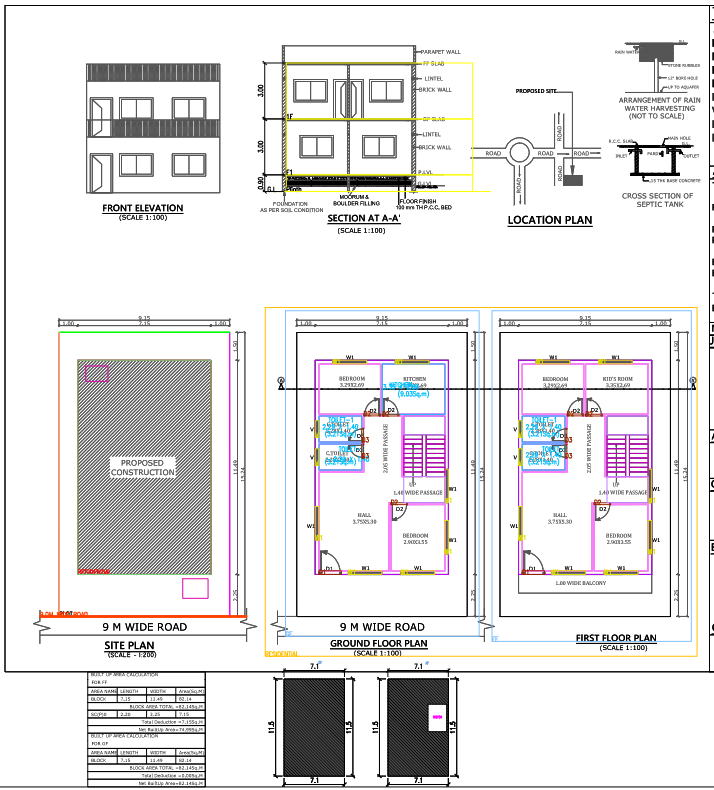
Before preparing the final application, the basic property information should be checked carefully.
Important information may include:
- Plot dimensions
- Plot area
- Property or survey number
- Road width
- Ownership details
- Existing site conditions
- Land-use classification
- Location of the property
- Applicable development authority
Small mistakes at this stage can create problems later. For example, a difference between the actual plot dimensions and the dimensions shown in the drawings can lead to revisions during scrutiny.
Step 2: Check the Applicable Local Regulations
There is no single building rule that applies identically to every property in India.
The applicable requirements can depend on:
- City or municipality
- Development authority
- Plot category
- Land-use zone
- Building type
- Road width
- Plot size
- Proposed building height
- Local development regulations
Before finalizing the design, check the regulations applicable to the specific property.
This step is important because the same house design may not be permissible on every plot.
For general reference on building regulations and construction requirements in India, readers can also refer to the National Building Code of India published by the Bureau of Indian Standards (BIS).
Step 3: Develop the Building Design
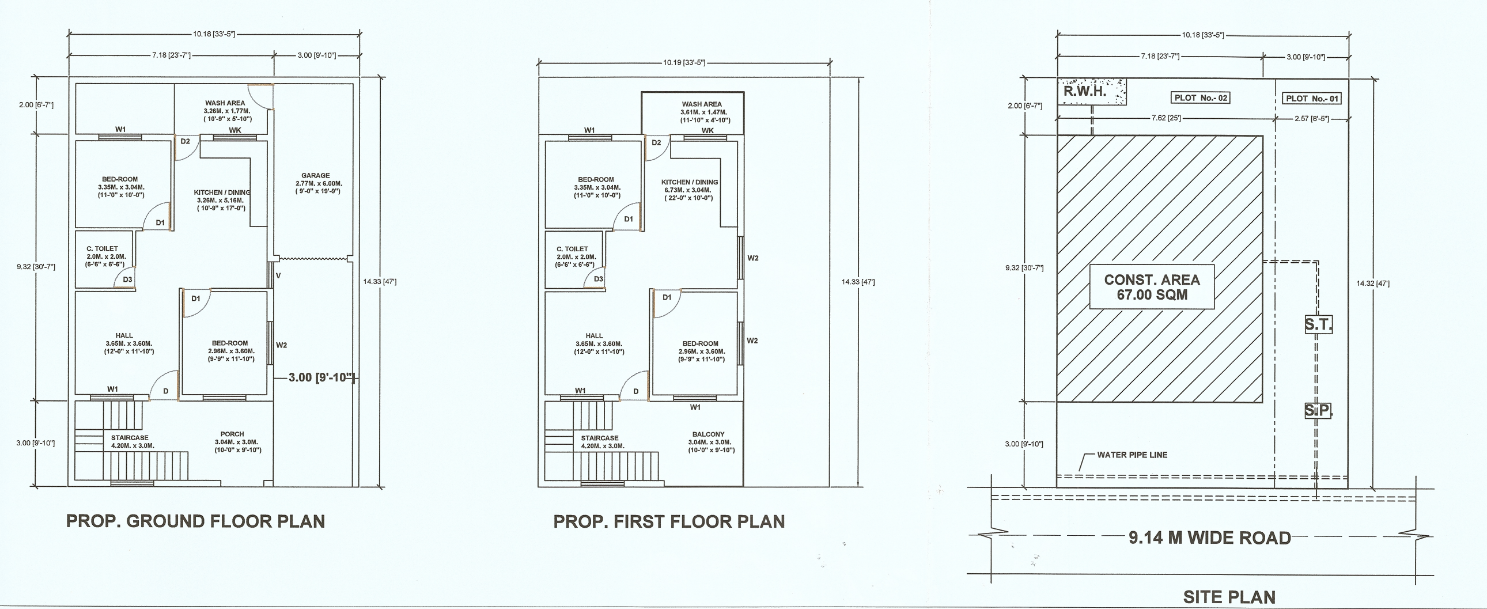
Once the site information and applicable regulations are understood, the architectural design can be developed.
At this stage, the designer considers practical requirements such as:
- Room arrangement
- Entry and circulation
- Staircase position
- Parking
- Natural light
- Ventilation
- Open spaces
- Building orientation
- Future requirements of the owner
The design should be developed within the limitations established by the applicable regulations.
A good design is not only visually appealing; it should also be practical to construct and capable of satisfying the relevant approval requirements.
Step 4: Prepare the Approval Drawing Package
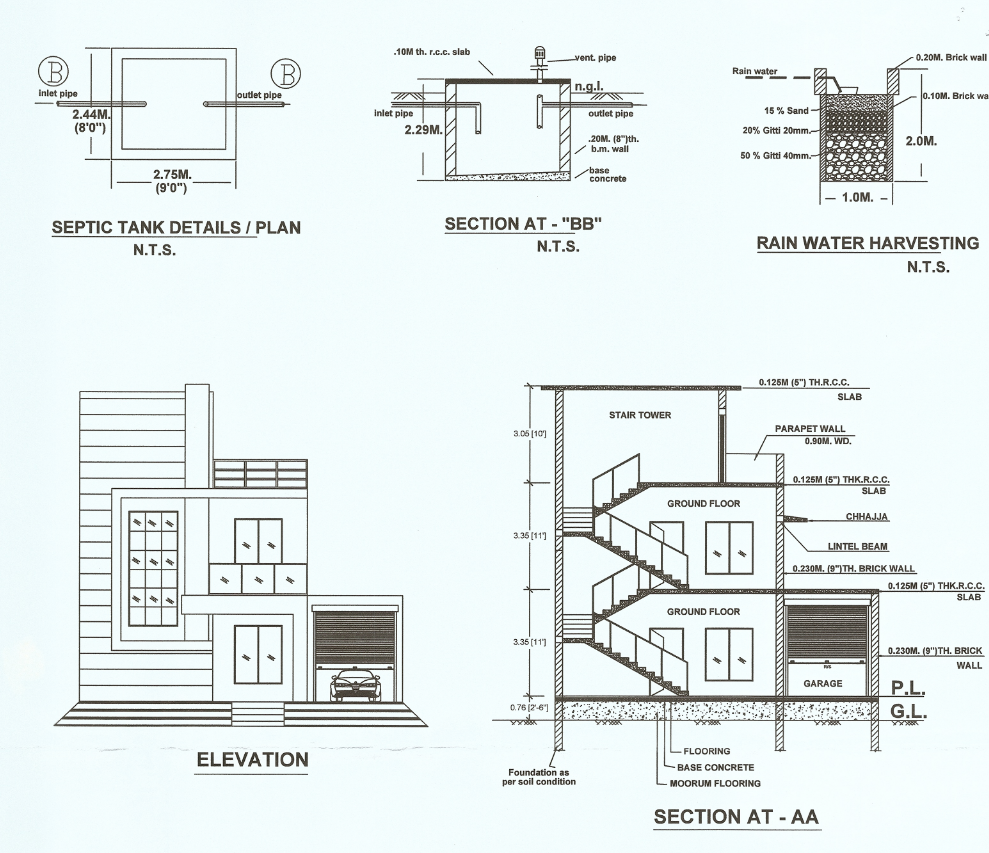
After the design is finalized, the drawings required by the concerned authority are prepared.
The exact drawing set can vary according to the project and local procedure. Depending on the case, the application may require information such as:
- Site or location plan
- Floor plans
- Elevations
- Sections
- Parking information
- Area calculations
- Building levels
- Other technical information requested by the authority
The important point is that the drawing package should be prepared according to the authority’s current requirements rather than using the same checklist for every project.
For residential projects, understanding the purpose and preparation of a residential building submission drawing can help in organizing the approval drawing package correctly.
Step 5: Cross-Check the Drawings Before Uploading
A pre-submission review can prevent many avoidable objections.
For a more detailed pre-submission review, you can also use this submission drawing checklist to check important drawing information before uploading the application.
Before uploading or submitting the application, compare the drawings and calculations carefully.
Check:
Plot Information
Make sure the plot dimensions, area, road information and property identification are consistent.
Building Dimensions
Check room dimensions, overall building dimensions, floor areas and other important measurements.
Open Spaces
Verify that the proposed building position satisfies the applicable open-space or setback requirements.
Area Calculations
Check plot area, covered area, floor areas and any applicable FAR/FSI calculations.
Vertical Information
Check floor levels, building height and other vertical dimensions shown in the drawings.
Parking
Make sure the proposed parking arrangement is practical and meets the applicable requirement.
This cross-check is especially useful because an error in one drawing can create inconsistencies in another.
Step 6: Collect Supporting Documents
The approval application may require documents in addition to drawings.
Depending on the authority and project, these can include:
- Ownership-related documents
- Property or land records
- Identity documents
- Application forms
- Professional registration details
- Certificates or declarations
- Structural documents where applicable
- Other documents requested by the authority
Document requirements are location-specific, so applicants should confirm the current list before submitting the application.
Step 7: Submit Through the Applicable System
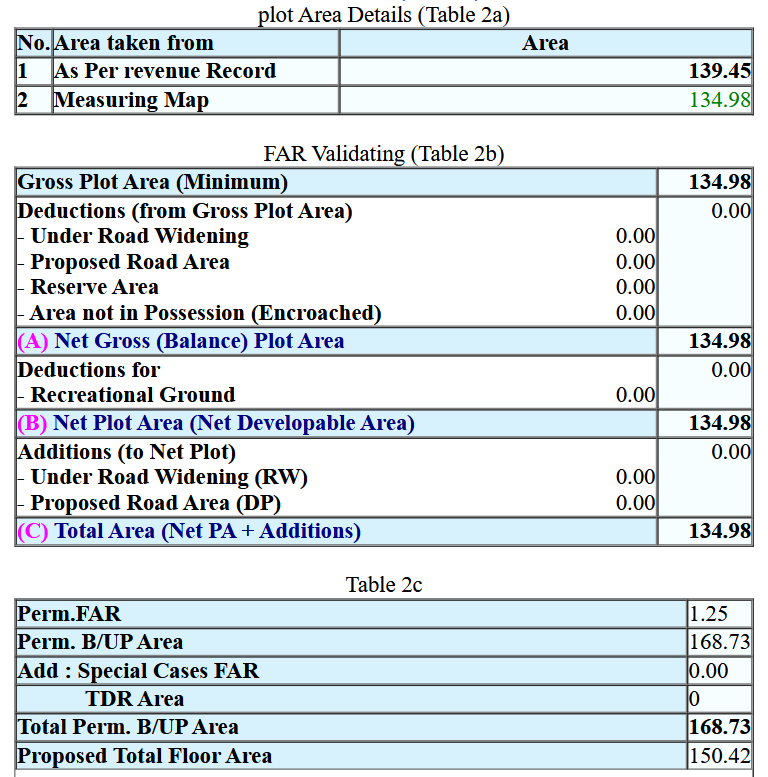
Many authorities provide an online building permission or plan approval system, while some projects or locations may follow different submission arrangements.
A typical online workflow may involve:
- Creating or accessing an applicant account
- Entering property information
- Entering project details
- Uploading drawings
- Uploading supporting documents
- Paying applicable charges
- Submitting the application
- Tracking the application status
The exact interface and sequence can differ between authorities.
For more information about digital building plan approval systems, applicants can refer to the National Urban Digital Mission’s Building Plan Approval resources.
Step 8: Understand the Scrutiny Stage
After submission, the authority reviews the application.
The scrutiny may identify issues related to:
- Plot information
- Land use
- Building position
- Open spaces
- Area calculations
- Height
- Parking
- Drawing consistency
- Missing documents
- Other applicable regulations
This stage is important because approval is based on compliance with the rules applicable to the project.
What Happens If an Objection Is Raised?
An application is not necessarily rejected permanently when an objection is issued.
In many cases, the authority identifies specific issues that need correction or clarification.
The designer or applicant may then need to:
- Read the objection carefully
- Identify the affected drawing or document
- Correct the relevant information
- Recalculate areas if required
- Replace or update drawings
- Upload the revised documents
- Resubmit the application
The best response is to address each objection specifically rather than making unrelated changes to the entire drawing set.
Step 9: Pay Applicable Approval Charges
Depending on the authority and project, different charges may apply during the approval process.
These can include application, scrutiny, development, infrastructure or other authority-specific fees.
The amount is not universal because it can depend on factors such as:
- Location
- Plot characteristics
- Proposed construction
- Building use
- Area
- Applicable authority rules
Applicants should therefore rely on the current fee information provided by the concerned authority rather than assuming a fixed amount.
Step 10: Receive the Approval or Permission
Once the application satisfies the applicable requirements and the required formalities are completed, the authority may issue the relevant approval or permission.
The approved documents should be preserved carefully.
Keep copies of:
- Approved drawings
- Approval or permission document
- Application information
- Payment records
- Revised drawings, if applicable
- Correspondence related to objections
These records can be useful during construction and for future property-related work.
Why Approved Drawings Should Be Followed During Construction
Approval is based on the proposal that was reviewed by the authority.
Therefore, construction should follow the approved documents and applicable conditions.
A significant change to the approved proposal may require additional permission or a revised approval, depending on the local rules.
Examples of changes that should not be made casually include:
- Changing the building footprint
- Adding another floor
- Altering major structural elements
- Increasing covered area
- Changing parking arrangements
- Closing required open spaces
Before making substantial changes, consult the responsible professional and check whether revised approval is required.
Common Reasons for Delays in Building Plan Approval
Approval delays can happen for many reasons. Some common practical causes include:
Inconsistent Information
Plot dimensions, areas or other project information may differ between documents and drawings.
Incomplete Application
Required information or supporting documents may be missing.
Incorrect Calculations
Errors in area calculations can create objections during scrutiny.
Regulation Mismatch
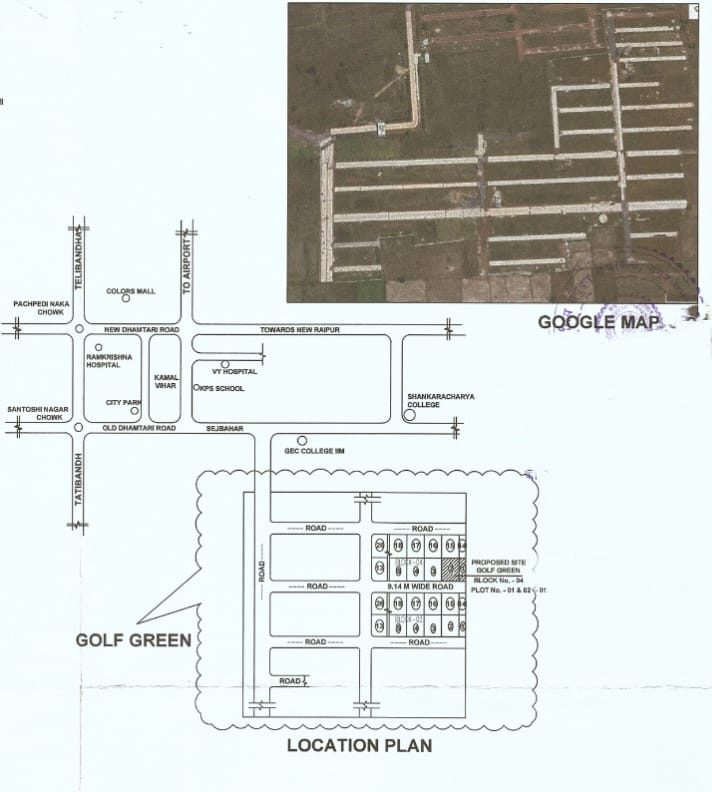
The proposed design may not satisfy a requirement applicable to the particular property.
Poor Drawing Readability
Unclear dimensions, labels or annotations can make technical review difficult.
Unresolved Objections
An application can remain pending when objections are not corrected properly.
Careful checking before submission can reduce avoidable revisions.
Building Plan Approval: Practical Checklist
Before submitting a building approval application, review the following:
Property information verified
Plot dimensions checked
Applicable regulations identified
Architectural design finalized
Required drawings prepared
Area calculations checked
Open spaces verified
Parking checked
Supporting documents collected
Drawing information cross-checked
Professional details verified
Application information reviewed
Applicable fees confirmed
Final files prepared in the required format
This checklist is not a substitute for the official requirements of the concerned authority, but it can help identify common preparation issues before submission.
Building Plan Approval vs. Construction Drawing
Building approval documents and construction drawings serve different purposes.
Approval drawings primarily communicate the proposed development to the approving authority and demonstrate compliance with applicable requirements.
Construction or working drawings generally provide more detailed information needed for actual execution at the site.
For example, construction documentation may contain detailed dimensions, material information, reinforcement details, joinery information, or other technical details that are not necessarily part of a basic approval submission.
Understanding this difference helps avoid treating every drawing as if it serves the same purpose.
Can the Process Be Different for Different Projects?
Yes.
A small residential building and a large commercial development may not follow exactly the same approval route.
Additional requirements may apply depending on:
- Building use
- Project size
- Height
- Location
- Number of floors
- Fire-safety requirements
- Environmental considerations
- Structural requirements
- Special planning restrictions
For this reason, the approval process should always be checked according to the actual project rather than copied from another building.
Final Thoughts
Building plan approval is best understood as a sequence of checks rather than a single submission event.
The process starts with accurate property information, continues through regulation checks and design development, and then moves to drawing preparation, document submission, scrutiny, corrections where required, fee payment and final permission.
The most useful approach is to prepare the application specifically for the authority responsible for the property. Accurate information, consistent drawings, complete documentation and careful pre-submission checking can make the approval journey more organized and reduce avoidable revisions.
Before starting construction, always confirm the current requirements, forms, fees and procedures with the relevant local authority or a qualified professional.
Frequently Asked Questions About Building Plan Approval
What is the building plan approval process?
The building plan approval process is the procedure through which the concerned local authority reviews a proposed building project for compliance with applicable planning and building regulations before construction.
Who approves a building plan?
A building plan is generally reviewed by the local authority responsible for the property, such as a municipal corporation, municipality, development authority, or other designated authority. The responsible authority depends on the location of the property.
Is building plan approval required before construction?
In many cases, approval or permission is required before starting construction. The exact requirement depends on the property’s location, building type, size, and applicable local regulations.
How long does building plan approval take?
The processing time can vary depending on the local authority, project type, completeness of the application, scrutiny requirements, and whether any objections or corrections are raised. Applicants should check the expected timeline with the concerned authority.
What happens if a building plan receives an objection?
If an objection is raised, the applicant or designer generally needs to review the objection, correct the relevant information or drawing, and resubmit the revised documents as required by the authority.
Can an approved building plan be changed during construction?
Major changes to an approved proposal should not be made without checking the applicable rules. Depending on the nature of the change, revised approval or permission may be required from the concerned authority.
What should be checked before submitting a building plan?
Before submission, check the property information, plot dimensions, applicable regulations, building dimensions, open spaces, area calculations, parking, required documents, and consistency between different drawings.
Are building plan approval rules the same everywhere in India?
No. Building approval procedures and requirements can vary between states, cities, municipalities, and development authorities. The current rules of the authority responsible for the property should always be verified before submission.