
Residential Building Submission Drawing Requirements Explained (Complete Guide)
Introduction
Whenever we embark on a residential construction project, obtaining approval from the local municipal authority is mandatory. To secure this approval, architects and civil engineers are required to submit a set of residential building submission drawings. These drawings illustrate the complete design and layout of the proposed building, as well as its compliance status with local building bylaws.
Submission drawings assist authorities in verifying whether the building adheres to zoning regulations, safety codes, setback requirements, and structural guidelines.
In this guide, we will provide you with a detailed explanation of the requirements for residential building submission drawings, the necessary documents, and the critical information that must be included to obtain approval.
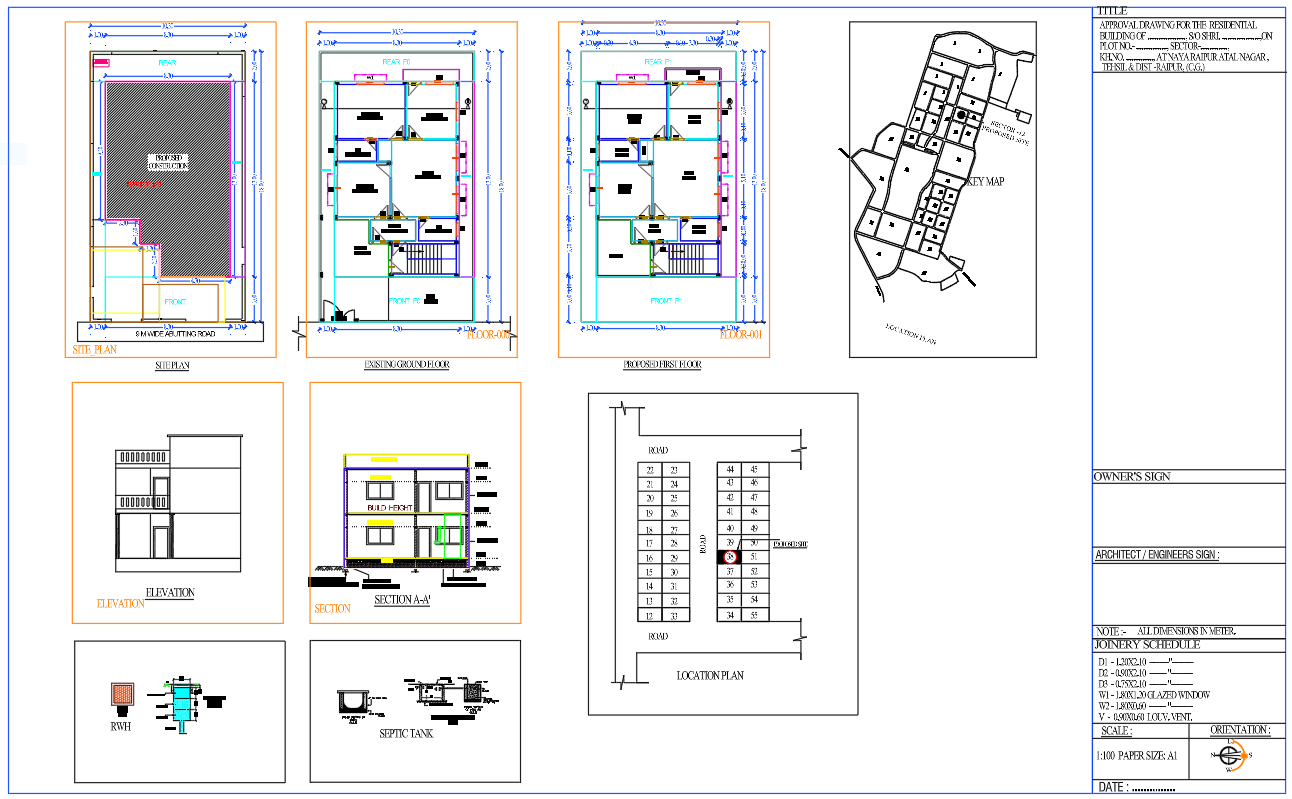
What are Residential Building Submission Drawings?
Introduction
Residential Building Submission Drawings are technical detailed drawings prepared by an architect or a civil engineer and submitted to the local municipal corporation for the approval of a building plan.
These drawings include the building’s layout, floor plans, elevations, sections, site plan, and other essential details to ensure that the building complies with local development regulations.
The purpose of these drawings is to:
- Verify compliance with building codes
- Ensure safety standards
- Maintain proper land utilization
- Authorize legal construction
Without the approval of the submission drawings, the construction may be deemed unauthorized or illegal.
Why Are Submission Drawings Essential?
In this section, we will explore the pivotal role that submission drawings play in the building approval process. Let’s understand this in detail:
1. Legal Approval
These drawings are required to obtain official government permission before construction work can commence.
2. Compliance with Building Regulations
Municipal authorities verify whether the building adheres to regulations such as setback requirements, height restrictions, and Floor Area Ratio (FAR) norms.
3. Safety Assessment
The structural integrity of the building, as well as aspects such as ventilation, natural lighting access, and fire safety measures, are thoroughly evaluated.
4. Future Documentation
The approved drawings serve as legal evidence for property records, loan applications, and future resale transactions.
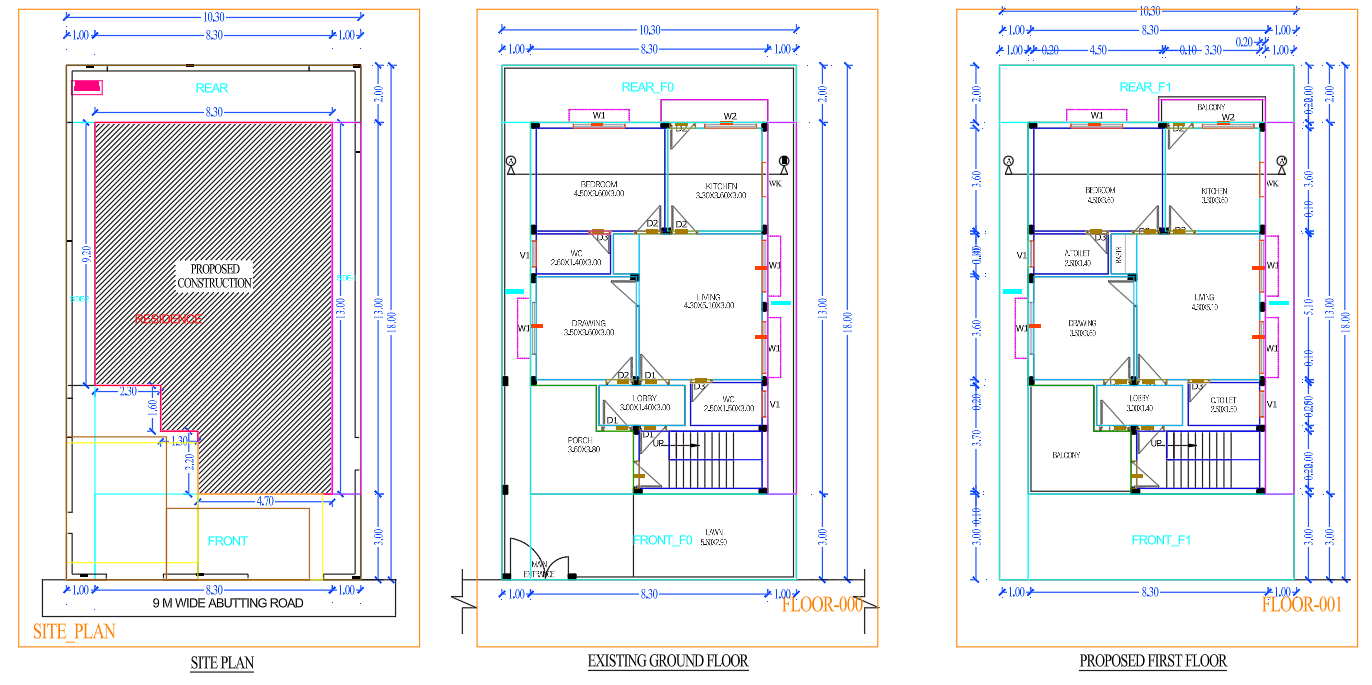
Essential Residential Building Submission Drawing Requirements
To obtain building plan approval, the following drawings are generally required:
1. Site Plan
The Site Plan illustrates the positioning of the building within the plot.
Included Information:
- Plot dimensions
- Road width
- North direction
- Setbacks (open spaces)
- Building envelope (footprint)
- Parking area
- Drainage connections
- Adjoining properties
This Site Plan helps authorities understand the overall layout of the plot and the building’s placement.
2. Floor Plan
Floor Plans depict the internal layout of the building.
Essential Details:
- Room sizes and dimensions
- Wall thickness
- Placement of doors and windows
- Staircase location
- Toilet and kitchen layout
- Ventilation routes
- Built-up area calculation
Typically, Floor Plans are required for the following levels:
- Ground Floor
- First Floor
- Typical Floors (Standard floors)
- Terrace Floor
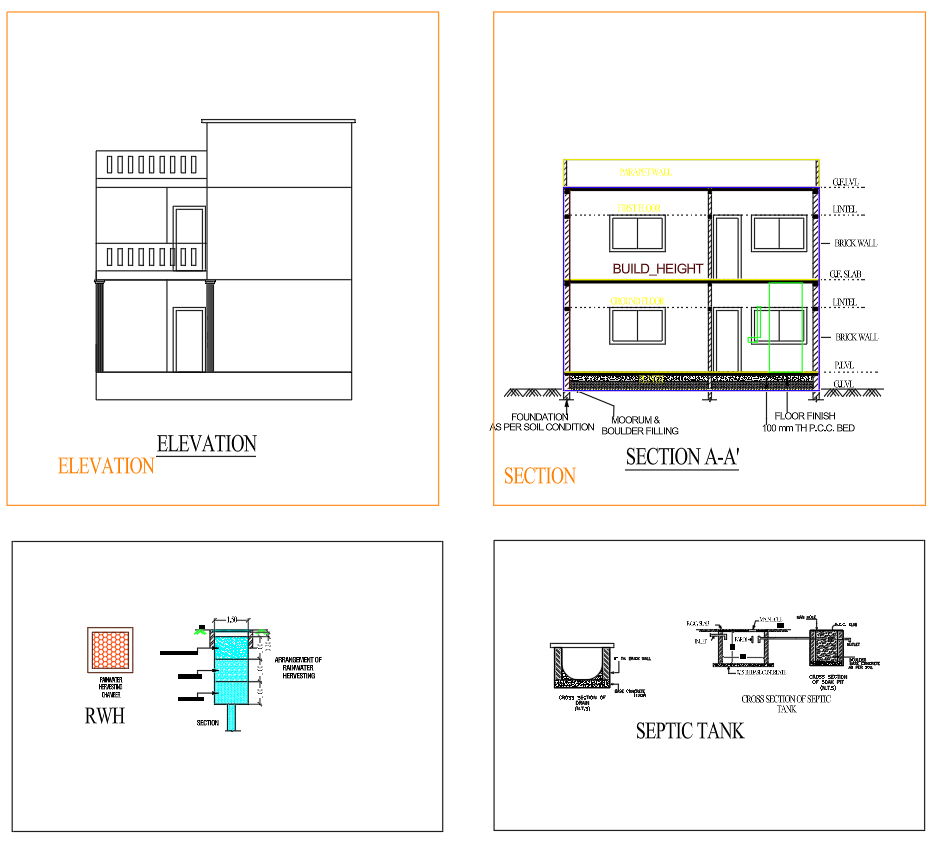
3. Building Elevations
Elevations illustrate the external appearance of the building.
Essential Details:
- Front Elevation
- Side Elevations
- Building height
- Placement of windows and balconies
- Architectural features
These drawings assist authorities in verifying compliance with height restrictions and aesthetic regulations.
4. Building Sections
These sections provide a cut-away view of the building, allowing for an understanding of the vertical construction details. Section drawings include:
- Floor-to-floor height
- Plinth level
- Foundation level
- Staircase section
- Slab thickness
- Roof level
Sections help verify compliance with regulations related to structural composition and height.
5. Foundation Plan
This foundation plan illustrates the structural base of the building.
Included details:
- Footing dimensions
- Column layout
- Foundation depth
- Plinth beam placement
This drawing ensures structural stability and safety.
6. Column Layout Plan
The column layout depicts the structural grid system of the building.
Included details:
- Column placement
- Column dimensions
- Structural grid lines
- Beam connections
This is essential for obtaining approval for the structural design.
7. Roof Plan
This roof plan provides a top-down view of the roof or roofing area.
Included information:
- Water tanks
- Solar panels
- Staircase headroom
- Parapet wall
- Drainage slopes
8. Parking Layout
For residential buildings, authorities require a parking layout plan. Included details:
- Parking space dimensions
- Access aisles
- Ramp slope (if basement parking is included)
- Vehicular circulation routes
9. Area Statement
This area statement provides calculations for the following:
- Plot area
- Ground coverage
- Built-up area
- Floor Area Ratio (FAR)
- Open spaces
- Parking area
Authorities use this to verify compliance with development regulations.
10. Service Drawings
Some municipalities also require service drawings. These may include the following:
- Water supply layout
- Drainage system
- Septic tank location
- Rainwater harvesting system
- Electrical layout
Documents Required with Submission Drawings
Along with the submission drawings, the following documents are typically required:
- Land Ownership Documents
- Plot Registry Papers
- Architect’s License Details
- Structural Stability Certificate
- Soil Test Report (Sometimes Required)
- Building Permit Application Form
- Owner’s Proof of Identity
General Drawing Standards for Submission
The drawings submitted must adhere to standard drafting guidelines.
Key Requirements:
- Correct drawing scale (1:100 or 1:50)
- Indication of North direction
- Title block containing project details
- Architect’s signature and license number
- Dimensions in meters
- Clear labeling of rooms and spaces
Common Mistakes in Submission Drawings
Many building plans are frequently rejected due to common errors, such as:
- Incorrect setbacks
- Violation of FAR norms
- Missing dimensions
- Incomplete site plans
- Improper parking design
- Building height exceeding prescribed limits
Careful preparation of drawings can help avoid delays in the approval process.
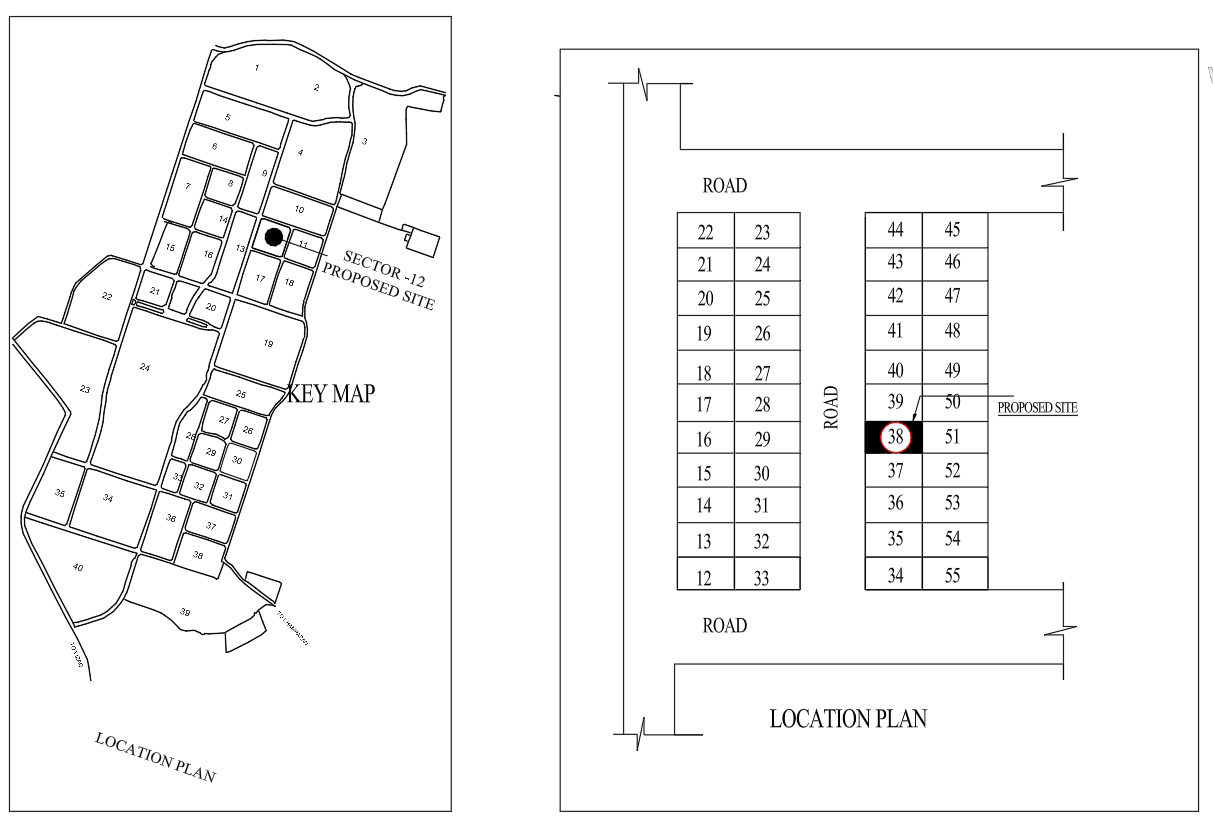
Tips for Expediting Building Plan Approval
To accelerate the building plan approval process:
✔ Adhere to local building regulations
✔ Provide a complete set of drawings
✔ Use clear measurements and labeling
✔ Submit accurate area calculations
✔ Ensure architect certification
Conclusion
Submission drawings for a residential building are essential documents required to obtain construction approval from municipal authorities. These drawings provide comprehensive technical details regarding the building’s design, layout, and compliance with local regulations.
Preparing accurate submission drawings not only streamlines the approval process but also ensures that the building is safe, legally compliant, and well-planned.
In this regard, architects and civil engineers must meticulously prepare site plans, floor plans, elevations, sections, and structural layouts in strict adherence to the requisite standards.
Submission drawings are technical drawings submitted to municipal authorities to obtain building construction approval.
Licensed architects or civil engineers prepare submission drawings for building plan approval.
Most submission drawings use 1:100 or 1:50 scale, depending on local authority requirements.
Yes, many authorities require structural drawings and a structural stability certificate.
No. Starting construction without approval may result in legal penalties or demolition.